
How to bring vintage clothing back to life Vintage style continues to set trends
in many eco-friendly shops. It is highly valued for its history and unique, classic
identity.
However, there is a way to care for these garments from the moment we
acquire them until we give them away to someone else, giving them a second
life. Here are some basic tips to make your vintage clothing look like new.
From scratch.
Cleaning and maintenance: Treat them like a rose
First, wash the garments by hand, as some may bleed colour, and take care not to mix them with garments that are not the same. Use mild detergents and avoid using other chemicals that may damage the garment. As I say, treat them with kid gloves.
Basic Repairs: Which sewing machine to buy…
We have the SINGER brand. It is an antique sewing machine but in perfect condition, suitable for fine threads and making perfect stitches. It will help you with delicate clothing.

We have another one from the CORONADO brand. It is a slightly newer sewing machine than the previous one, and you can do basic repairs such as sewing on buttons or fixing hems.
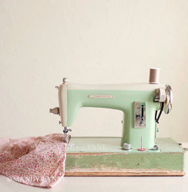
Finally, we have this model called BROTHER. It is asewing machine for any type of thread, whether thick or thin. You can even sew synthetic leather and correct sewing mistakes.
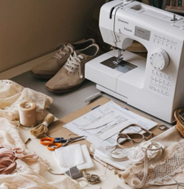
In any case, if you cannot find one of these models, you can take your garment to a professional and they will fix it for you as soon as possible.
Types of fabrics used in vintage styles
Using the right fabric gives you a unique style that sets you apart from others.
To do this, we need to know what type of fabric we like and how to use it
correctly.
To tell you one thing… There are lots of unrivalled fabrics that set trends and
promote sustainable consumption.
Let’s start with some fabrics you might like.
Natural fabrics.
These were very popular in vintage clothing. Cotton, known for its comfort and
breathability, was an essential fabric in the 1950s and 1960s. Silk garments
added a touch of luxury to certain items, especially formal dresses.
Synthetic fabrics and blends.
With advances in textile technology, the 1970s and 1980s saw a boom in
synthetic fabrics. Fibres such as polyester and nylon offered wrinkle resistance
and low cost. These fabrics were ideal for fast fashion at that time.
Specific clothing materials by decade.
These are specialised materials for certain garments that aim to highlight a
distinctive style with silk fabric.
Recommendations for the proper use of garments
We can treat garments in the best possible way by storing them in a dry place
away from humidity, as this can damage clothing and reduce its quality. It is
best to store delicate items in a transparent bag designed for delicate
garments, using wooden hangers or similar.
This blog helped me to clean the old sweing machine of my grandmother, thank you.