
In a fast-fashion world where jeans are mass-produced and discarded in the blink of an eye, vintage denim is emerging not just as an aesthetic choice, but as an ethical stance and an investment in quality. More than just a garment, it’s a fabric with a history, a canvas that tells a story from past decades and that, in 2024, is establishing itself as the cornerstone of any conscious and stylish wardrobe. In our vintage clothing store, we see how the demand for authentic jeans from the ’70s, ’80s, and ’90s continues to grow, driven by a generation that values authenticity and sustainability.
Why is Vintage Denim So Special?
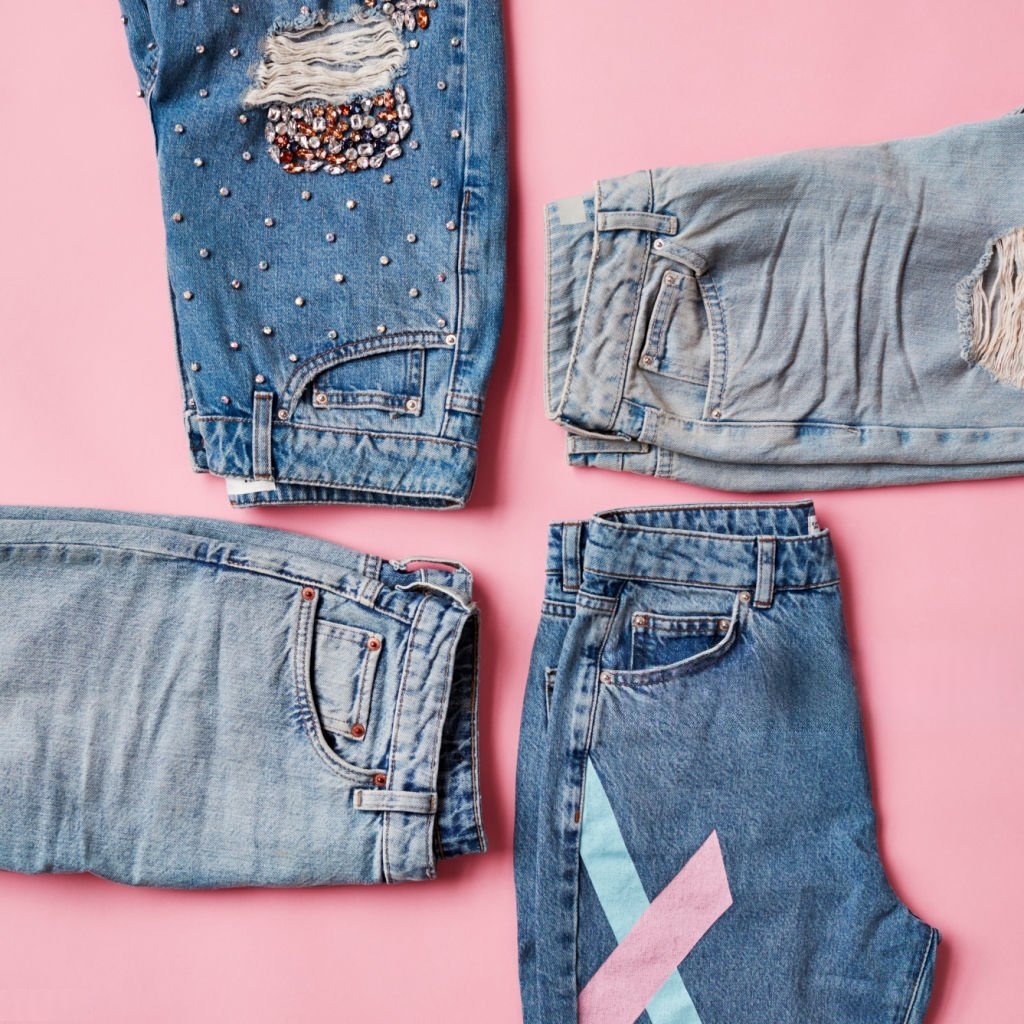
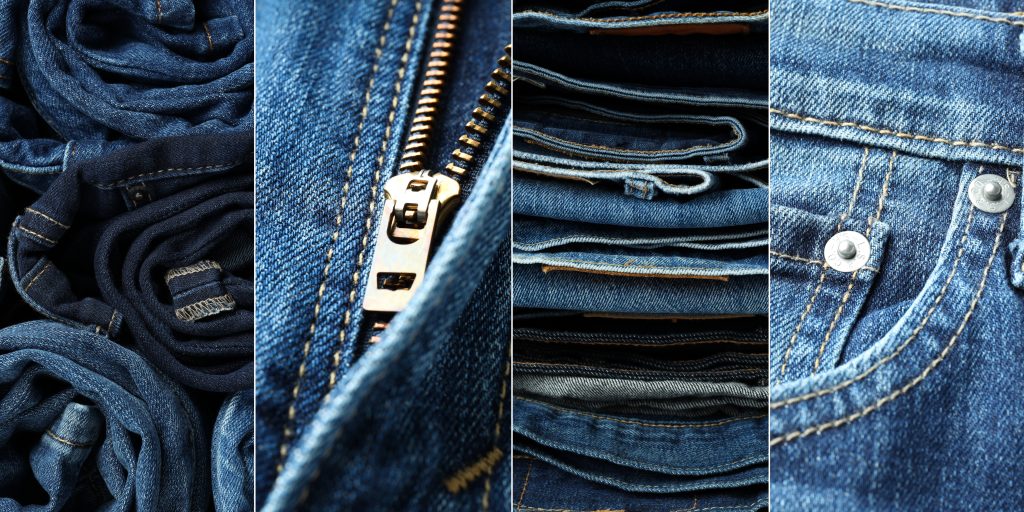
The difference lies in the details, almost imperceptible to the untrained eye, but which mark a vast gap with contemporary production. Vintage denim was made with heavier, higher-quality cotton fabrics, often on shuttle looms that created a more irregular and durable weave. The indigo dyes were deeper and, with washing and wear, created natural fades and washes (known as «whiskers» and «honeycombs») impossible to replicate industrially without looking forced. Furthermore, details such as copper rivets, stitching with contrasting colored thread, and leather labels are hallmarks of an era of dedicated craftsmanship.
Iconic Brands and What to Look For:
Levi’s 501: The Holy Grail. Identifying them is a science. Look for the red tab, which, on pieces made before 1971,allThe letters are in capital letters («LEVI’S»). The date code inside the wash label (example: «0270» for January 1970) is key. The buttons stamped with «LEVI’S» and the arcuate stitching on the back pockets are signs of authenticity.
Wrangler and Lee: With an equally robust cowboy and workwear heritage. The Wrangler «Cowboy Cut» jackets from the ’80s are treasures for their close fit and durability. Trucker jackets from both brands are versatile and timeless pieces.
Japanese Reproduction Brands (1980s-1990s): In the 1980s, Japanese brands like Evisu (formerly «Evis»), Studio D’Artisan, and Fullcount began meticulously recreating American jeans from the 1940s and 50s, using organic cotton and artisanal techniques. These pieces, now considered vintage, are of exceptional quality and highly sought after by collectors.
Vintage Denim in 2024: Styling Trends

The beauty of vintage denim is its incredible versatility in adapting to current trends.
Oversized silhouette: A pair of original Levi’s 501 jeans from the 90s, with their high waist and slightly loose straight cut, areheThese are the must-have trousers of the moment. Pair them with a thin cotton t-shirt and clean sneakers or block heels for the perfect contrast.
Upcycling and Personalization: The «mend & make do» trend is massive. Vintage jeans with a small sticker on the knee aren’t a flaw, but an opportunity for a custom embroidered patch. In our shop, we often collaborate with local artists to offer unique, upcycled denim pieces with a new story.
Double Denim (Canadian Tuxedo) Reimagined: It’s no longer daring, but a classic. The key is playing with different shades of blue. Try a 70s Wrangler jacket in a light, faded blue over 501s in a dark, almost raw, indigo.
Invest in History, Reduce Your Footprint
Every pair of vintage jeans you buy is a garment saved from the landfill. It’s estimated that up to 7,500 liters of water can be used to manufacture a single pair of new jeans. By choosing vintage, you completely eliminate the water and carbon impact of new production. It’s not just about fashion; it’s an act of responsibility.
Ready to find the perfect pair to last you another decade? Explore our carefully curated selection of authentic vintage denim in the dedicated section of our website, where we document the story behind each piece. And if you want to delve deeper into the world of circular fashion, don’t miss our article on [How to Create a 100% Vintage Capsule Wardrobe] (internal link).